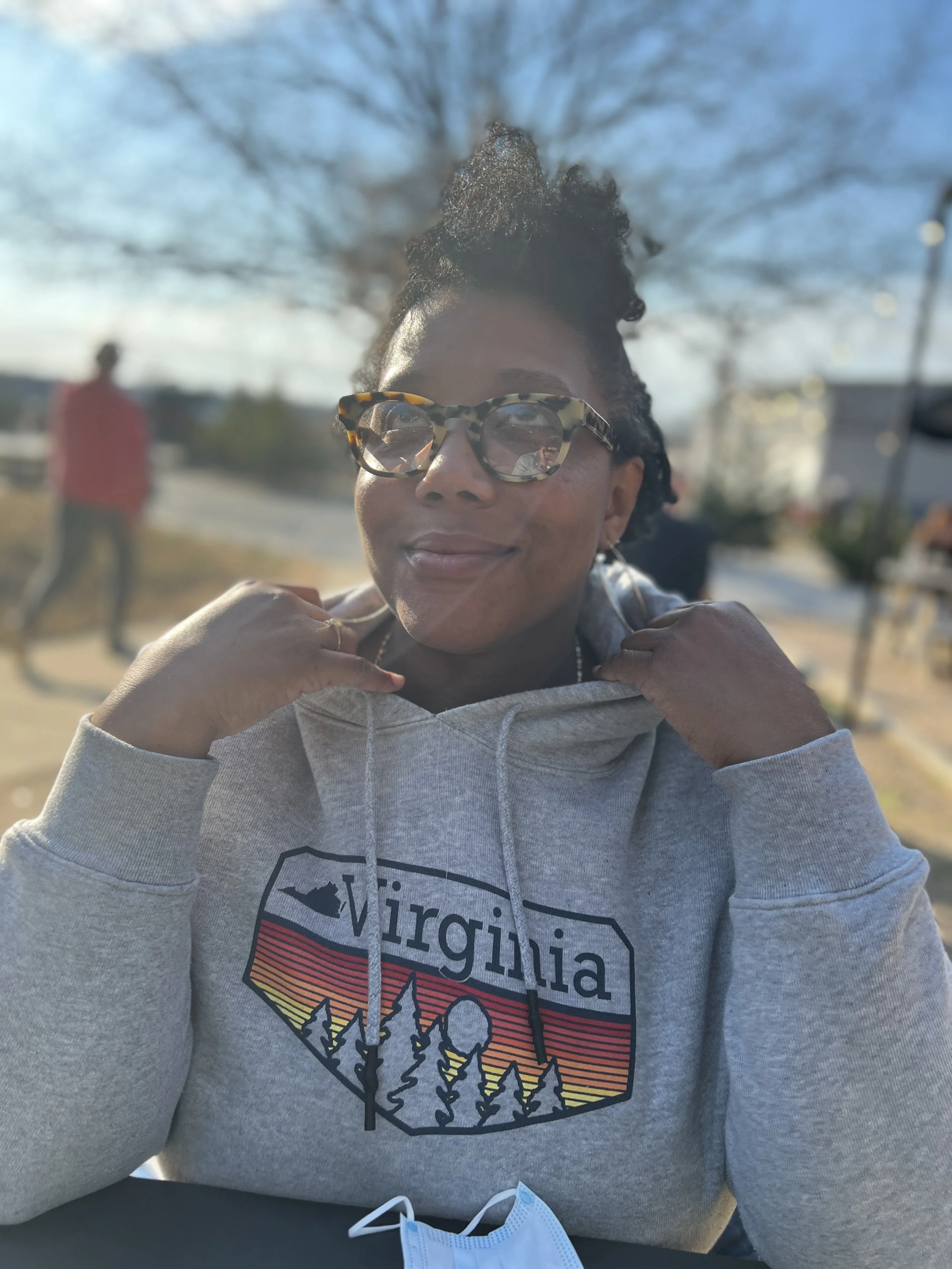
Birth workers Nikiya Chavis and NyTasha Stevens are leading efforts to expand culturally responsive maternal care and birth education for Black families across Richmond.
by Tranae Cearnal
Saturday, July 25, 2026 | 11:00AM
Originally Published in the Spring Quarter Issue
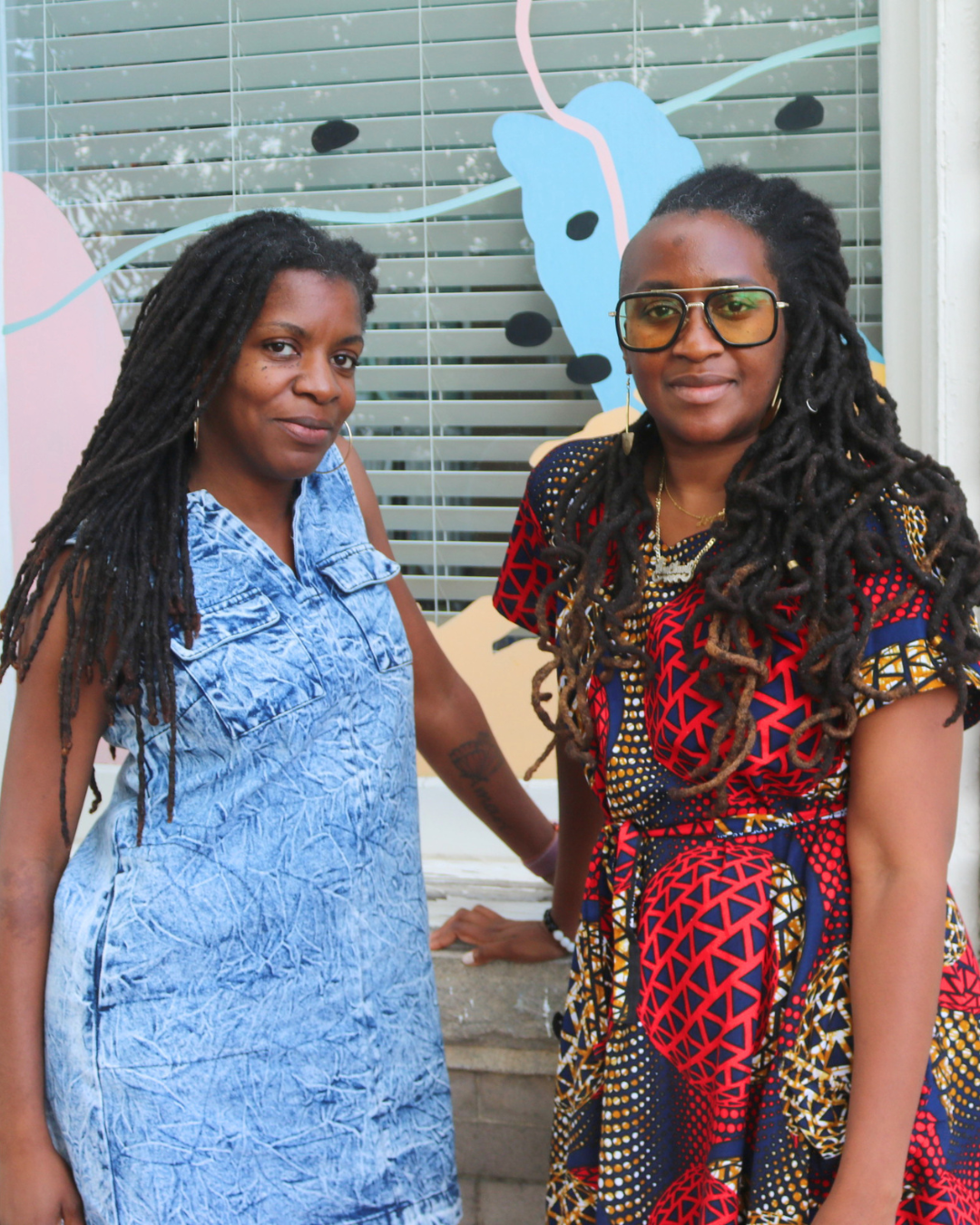
Birth workers NyTasha Stevens (left) and Nikiya Chavis (right).
Nikiya Chavis and NyTasha Stevens are doing the work. Nikya is a student Midwife, Doula and the creator of The Diverse Birth Collective. NyTasha Stevens (in addition to being a part of The Diverse Birth Collective) is the owner of Soothe First. She is also a Certified Lactation Consultant (CLC) and a specialist in hypnobirthing. They are changing how families are educated and empowered in their birthing stories here in Richmond.
The Richmond Seen’s theme this quarter is “Knew Richmond.” From your perspective as a birth worker, what does a “new” Richmond look like when it comes to supporting Black families particularly in our city?
Nikiya: A “new” Richmond to me looks a lot like remembering. Remembering that our communities once held birth differently. That birth was something surrounded by aunties, grandmothers, midwives, neighbors—people who knew your body, your story, and your family. For Black families in Richmond, a new Richmond would mean we are no longer fighting just to be heard or believed in medical spaces. It would mean our babies are born into environments where their mothers are safe, respected, and supported physically, emotionally, and spiritually. A new Richmond would invest in community based birth workers. It would normalize doulas and home birth midwives as part of the care team, not a luxury. It would look like neighborhood birth education, postpartum circles, lactation support, and elders passing knowledge down again.
To me, a new Richmond isn’t just about new buildings or new people moving into the city. It’s about rebuilding the systems of care that kept Black families strong for generations.
NyTasha: As a birth worker, a “new” Richmond looks like being able to birth at any facility without the fear of being unheard, dismissed, bullied, and/or forced into unfavorable situations just because we’re Black. It looks like medical professionals providing culturally competent support and resources and referring their expecting families to Black doula organizations that can help bridge that gap. It looks like having access to birth and postpartum doulas, lactation specialists, and mental health professionals that look like us. It looks like being able to receive these services without being a financial strain on our families!
How important is it to teach the art of birth work to our community today?
Nikiya: It’s essential. Birth work is more than a job; it's an art, a lineage, and a responsibility. For so long, our communities have been separated from the knowledge that once lived naturally among us.
Teaching birth work today is about bringing that wisdom home. When we train doulas, when we talk about physiological birth, when we gather in community to learn about pregnancy and postpartum, we are restoring something that was interrupted.
Black families deserve to have people in the room who understand them culturally and spiritually. Birth workers from the community help families feel seen, supported, and protected.
So teaching this work isn’t just education, it's preservation. It’s reclaiming knowledge that belongs to us. Sankofa , Sankofa, Sankofa.
NyTasha: The thing is, birth work isn’t new to us. We were ancestrally trained midwives, caregivers, and support people right in our own communities. Somewhere along the way what we know and believe in was drowned out by the noise of non-
melanated, often of the male species, people trying to control what didn’t need controlling, just to get us to do things their way. It is critically urgent that we gain that momentum back, welcome back what is ours, and teach it! What we know without a doubt, is that having a doula directly impacts maternal and infant health outcomes, helps build trusted support systems for families, and additionally, it helps to create economic resources right within our own communities. We don’t just teach birth work…we go deep. We create safe spaces for not just the birth workers, but for the hundreds of families that they are working with, from all walks of life. We answer questions that are often overlooked, and give evidence based knowledge so that we can break the generational traumas we have unnecessarily endured. We need each other!!
What first called you to birth work, and how difficult was your journey to bring that art to Richmond?
Nikiya: I was called to this work through women. Through listening to their stories, witnessing their strength, and
recognizing how much knowledge and power lives in the process of bringing life into the world.
Studying midwifery opened my eyes to how much information gets lost in short medical visits. There is so much families deserve to know about their bodies, their options, and the beauty of physiological birth.
My journey hasn’t been simple. Birth work requires deep study, humility, and commitment to community. It has meant traveling to learn, combating racism , and constantly growing.
But what keeps me ground-ed is the belief that our communities deserve this knowledge close to home. Every class, every conversation, every family supported is a step toward bringing that art back where it belongs.
NyTasha: What initially called me to birth work was my desire to be around expecting families and help them welcome their baby into the world. It was a childhood dream that I thought wasn’t attainable once I started having my own kids. Since getting into the field though, my “why” has changed! I see the gaps, the trauma, the exhaustion of fighting a losing battle, and just the lack of
access to real and true knowledge. The journey continues to ebb and flow and is not at all easy! I see that structure, systems, trainings, opportunities, and resources are necessary, and my “why” now is to help create and continue to provide these things. The issue I run into though, is the commitment it requires, and how difficult that can be when the income isn’t always sustainable on its own and the sacrifice we have to make. We have great birth workers in our area, but when they have to choose between a steady income and providing the necessary support in their own communities, they often have to tap out. The agencies and trainings I am a part of isn’t just about us doing the work, it's about building lanes for others to step into as well!
Richmond is growing and changing quickly. What resources, policies, or community shifts would make the biggest difference for Black families here?
Nikiya: First, we need real investment in community based maternal health. That means funding for doulas, midwives, birth education, and postpartum support services that actually meet families where they are. It’s why we created the 4th Trimester program as well.
We also need policies that make birth support accessible to everyone, not just those who can afford it. When doulas and midwives are integrated into care and covered by insurance or Medicaid, outcomes improve for families.
But beyond policy, there also needs to be a cultural shift. We need to value rest for mothers. We need to bring back community care where people check on new parents, bring food, hold babies so mothers can heal.
Richmond has always had a deep legacy of Black leadership, resilience, and community building. If we center that legacy while building new systems of care, then this city can truly become a place where Black families don’t just survive, but thrive.
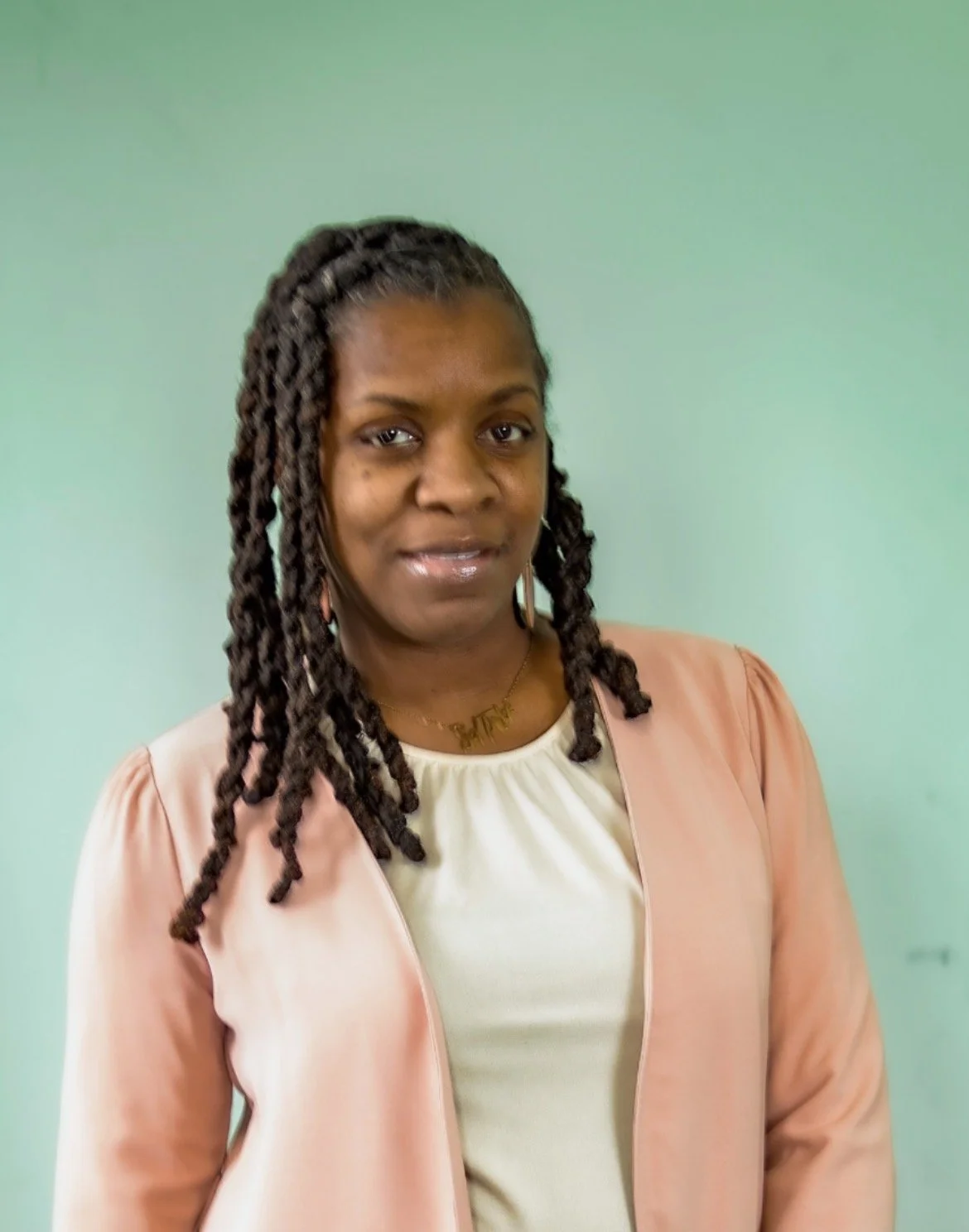
Through advocacy, education, and community care, Nikiya Chavis is helping reshape the future of maternal health for Black families in Richmond.
NyTasha: Whew! How much time do you have?!? What immediately came to my mind is addressing bias in the healthcare systems. That is a non-negotiable in my opinion! There needs to be training, systemic changes, and accountability happening to ensure that Black women are treated with respect and their needs are met with a sense of urgency! That training should be ongoing, required, and done in multiple ways! Along with that there needs to be community-based education and resources. Hospital prenatal education teaches birthing people how to adhere to hospital policy and be good, go along to get along, patients while there! We don’t need well behaved people, we need people who know and understand how their body works, and what physiological labor and birth looks like (birth is NOT medical. It’s a natural and normal process that our bodies experience, and left undisturbed, can happen organically). Lastly, but definitely not least, invest in Black birth workers!! We need funding, training programs, and sustainable wages for doulas and maternal health professionals who are already boots on the ground in the community. Go ahead and couple that with insurance coverage for services related to maternal health and pregnancy (doulas, lac-tation, childbirth education, etc). If there wasn’t an issue with being able to get these services due to finances, more families would have access to the support, which in turn, can help with maternal health outcomes!
Support Local. Stay On Scene. Subscribe to The Richmond Seen.
The Richmond Seen is a vibrant digital news outlet dedicated to highlighting the Richmond scene—both the scene and the unseen. We cover everything from Hip Hop culture and culinary delights to the diverse stories and experiences that connect our community. Our mission is to celebrate the rich tapestry of Richmond’s creative energy and the voices that often go unheard.
Purchase our newspaper HERE.
Help us continue the work by donating HERE.
Follow us on Instagram.